
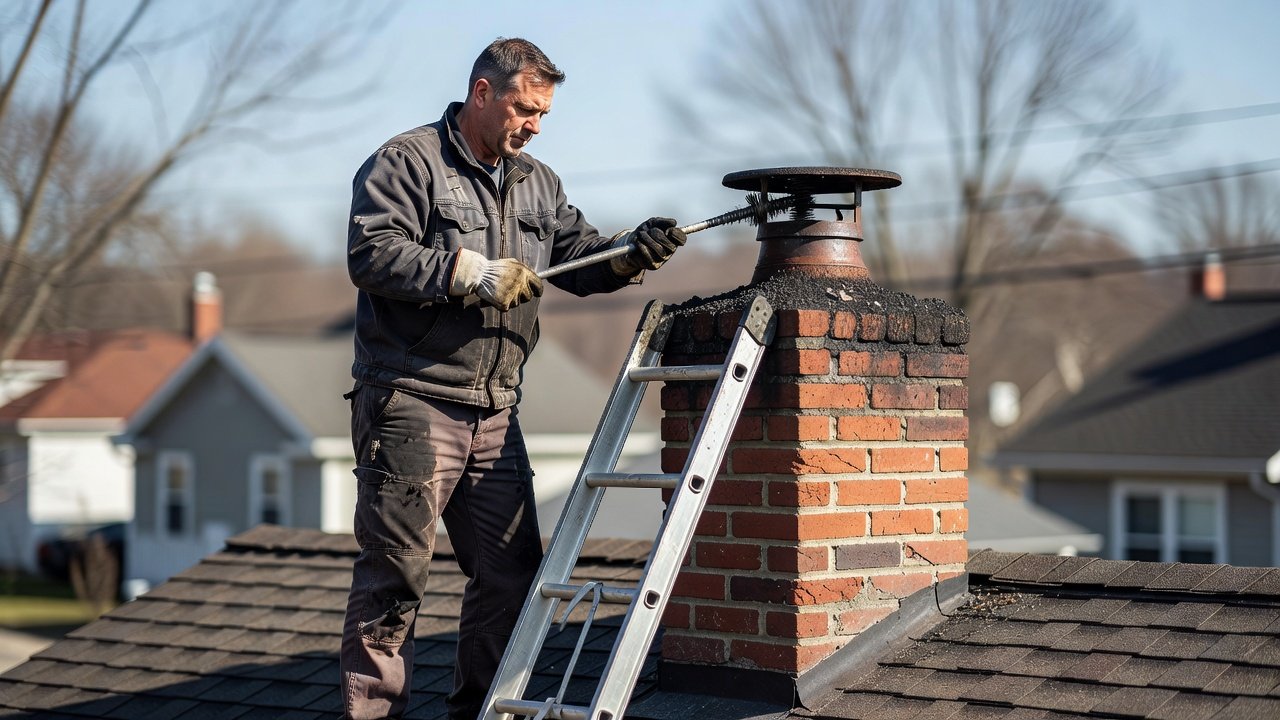
Trusted Chimney Sweep Tenafly, NJ: 2026 Guide for Glen Head, NY Residents
A lot of homeowners assume that a chimney sweep is something you only need after a problem shows up a smell, a stain, a draft that feels wrong. That assumption is understandable, but it’s one of the costlier mistakes we see in this business. Whether we’re working in Glen Head, NY or across the water in Tenafly, NJ, the calls that hurt people’s wallets most are almost always the ones that could have been prevented by a routine chimney sweep done earlier in the season.
We want to clear up a few things that homeowners consistently get wrong about this service, what they can safely handle on their own, and where a professional really does need to step in.
A Call That Came in Too Late
Last February, a homeowner in Glen Head reached out to us after noticing a faint smoky odor drifting through the second floor of their 1960s colonial every time they ran the furnace. They had swept the firebox themselves the previous fall vacuumed out the ash, wiped down the damper and assumed that was sufficient. By the time we arrived and ran a camera through the flue, we found a significant creosote buildup about eight feet up the liner that no amount of vacuuming from the firebox opening was ever going to touch. The liner had also developed a hairline crack, likely from a small chimney fire the system had already experienced without the homeowner noticing. What started as a $250 annual sweep turned into a liner repair. That’s the pattern we see more than almost anything else.
The Vacuum-and-Wipe Misconception
Many homeowners in older North Shore communities Glen Head, Roslyn, Sea Cliff have fireplaces that get light, occasional use. Because they’re not burning cord after cord of wood every winter, they assume the creosote accumulation is negligible. For light users, the buildup does tend to be thinner, but that doesn’t mean it’s clean. According to the Chimney Safety Institute of America, creosote accumulates in three stages, with third-degree glazed creosote being the most dangerous and the primary fuel source in chimney fires. Even stage-one deposits the flaky, powdery kind need to be removed with professional rotary brushes that reach the full length of the flue, not a shop vac and a damp rag.
The tools matter enormously. A proper chimney sweep uses segmented fiberglass rods, wire brushes sized exactly to the flue diameter, and either a vacuum system with HEPA filtration or a containment setup that keeps soot out of the living space. Most homeowners own none of this, and buying it for a once-a-year job rarely makes financial sense.
Thinking a Gas Fireplace Needs No Attention
Gas fireplaces are cleaner than wood, but that’s not the same as maintenance-free. We hear this regularly from homeowners in Old Brookville and Locust Valley who switched from wood-burning years ago and haven’t thought about the chimney since. Gas combustion still produces moisture, and moisture over time degrades mortar joints, deteriorates flue liners, and introduces carbon monoxide risk if a blockage from a bird nest, deteriorated mortar, or a collapsed liner section prevents proper venting. According to the U.S. Consumer Product Safety Commission, carbon monoxide poisoning from faulty heating systems, including fireplaces and chimneys, sends more than 20,000 people to emergency rooms annually. That number reflects gas appliances as much as wood-burning ones.
The NFPA’s NFPA 211 standard, current to 2026, still requires annual inspections for gas-vented systems. A gas fireplace owner skipping annual service isn’t being low maintenance they’re carrying a risk they can’t see.
Assuming the Chimney Looks Fine from the Ground
A well-maintained chimney cap, no visible crumbling at the crown, no obvious staining on the siding homeowners frequently takes this as confirmation that everything is in order. It isn’t. The flue interior is completely invisible from ground level. Cracks in terra cotta liner tiles, deteriorated refractory panels in a factory-built firebox, and stage-two creosote deposits all look like nothing from the street. According to the National Fire Protection Association, failure to clean chimneys is the leading contributing factor in home heating fires, accounting for 30% of all such fires. The majority of those fires involve damage or buildup that wasn’t visible without a camera or a trained eye inside the flue.
We run camera inspections as part of every sweep we complete, including for clients we serve in Tenafly, NJ and the surrounding Northern Valley communities. What the camera finds often changes the scope of the job which is exactly why we look before we give any final assessment.
Believing One Sweep Lasts Indefinitely
This one is particularly common with homeowners who moved into an older property, had the chimney swept once at closing, and then considered the matter handled. The Chimney Safety Institute of America recommends that chimneys, fireplaces, and vents be inspected at least once a year and cleaned as necessary. “As necessary” frequently means annually for active wood-burning systems and at a minimum every other year even for light-use or gas systems especially in coastal climates where the combination of salt air, humidity, and freeze-thaw cycling through a Long Island winter degrades masonry faster than inland areas.
Homes in Glen Head, Sea Cliff, and Glen Cove sit close enough to Long Island Sound that exterior masonry takes measurable punishment from the environment between seasons. That’s not a scare tactic — it’s simply what we see when we open up flues in these neighborhoods every spring.
What Homeowners Can Reasonably Do Themselves
We’re not in the business of telling people they can’t do anything for themselves. Removing cold ash from the firebox after every few fires, keeping the damper closed when the fireplace is not in use, checking that the cap screen has no visible debris or bird activity from ground level these are all reasonable between-service tasks. Burning properly seasoned hardwood (not green wood, not treated lumber) is one of the single most effective things a homeowner can do to slow creosote buildup. These habits genuinely extend the time between heavy cleanings.
Where DIY stops is anywhere inside the flue, at the crown, on the roofline, or anywhere that requires a camera, rotary brush system, or assessment of structural integrity. That work belongs with trained technicians, and the cost of a professional chimney sweep typically in the range of $180 to $350 for a standard sweep and Level 1 inspection in the Nassau County and Northern New Jersey markets in 2026 is a fraction of what a liner repair or fire restoration runs.
Talk to Us Before the Season Gets Away from You
If you’re in Glen Head or anywhere on the North Shore and you haven’t had your chimney swept since last season or you’re genuinely not sure when it was last done, we’d rather you reach out now than in January when the weather is already against you. Our team serves both the Long Island and Northern New Jersey sides of our service area, including Tenafly, NJ, and we can usually schedule an inspection and sweep within a few days of contact during the shoulder season. Use the contact form on our website to request a free estimate, and one of our technicians will follow up to get you scheduled before the cold sets in.
Frequently Asked Questions
How often does a chimney need to be swept in Glen Head, NY?
For active wood-burning fireplaces, once a year is the standard recommendation from the CSIA and NFPA. For gas fireplaces or light-use systems, an annual inspection is still required under NFPA 211, though a full cleaning may not be needed every single year. Given the coastal climate and the freeze-thaw conditions common across the North Shore, we generally advise Glen Head homeowners not to go longer than a year between inspections regardless of fuel type.
Is a chimney sweep in Tenafly, NJ the same service as in Glen Head, NY?
The core service is the same flue brushing, debris removal, damper check, and inspection but local conditions do vary. Our Tenafly, NJ clients tend to have a mix of older masonry chimneys and prefabricated systems, similar to what we see on Long Island. Any reputable sweep in either area should be offering a camera inspection as part of the job, not just a visual check from the firebox opening.
Can I clean my own chimney to save money?
You can clean the accessible firebox area ash removal, wiping down the damper plate but cleaning the actual flue requires professional equipment: rotary brushes, extension rods, and contained vacuum systems. Doing it improperly can dislodge debris into the living space, miss dangerous deposits, and leave you with no documentation if you ever need to make an insurance claim related to a chimney fire.
What does a professional chimney sweep actually check?
A proper sweep includes removal of soot, creosote, and debris from the full length of the flue, followed by a visual or camera inspection of the liner, crown, cap, damper, and firebox. A Level 1 inspection under NFPA 211 covers all accessible components. If there’s any indication of structural damage or an unusual event like a chimney fire, a Level 2 inspection with full video scanning is the appropriate standard.
How do I know if my chimney has had a fire I didn’t notice?
Many small chimney fires go undetected by the homeowner. Signs include a puffy or honeycomb texture to creosote deposits, warped or discolored metal components, cracked flue tiles, and a strong smoky odor that persists even when the fireplace isn’t in use. A camera inspection is the only reliable way to confirm whether a fire event has occurred and whether the liner is still structurally sound.
What time of year should I schedule a chimney sweep?
Late summer through early fall roughly August through October is the ideal window. Sweeps are easier to schedule, the weather is cooperative for roof work, and you’ll have documentation in hand before you light the first fire of the season. Spring sweeps are also valuable for removing any buildup and moisture damage from the winter before it degrades the liner through the warm months.
Related from America’s Chimney Experts: Essential Chimney Repair Roslyn, NY · What Chimney Waterproofing Greenvale NY Actually Costs · Honest Chimney Crown Repair Nassau County
Pingback: Essential Chimney Repair Tenafly, NJ: 2026 Guide for Roslyn, NY Residents – America's Chimney Experts
Pingback: Don’t Wait Until Winter: Chimney Liner Installation Greenvale NY — 2026 Guide for Tenafly, NJ Residents – America's Chimney Experts
Pingback: Honest Chimney Sweep Near Me Greenvale: 2026 Guide for Oyster Bay Residents – America's Chimney Experts
Pingback: Essential Chimney Sweep Englewood Cliffs, NJ Warning Signs: 2026 Guide for Demarest, NJ Residents – America's Chimney Experts